Can I Take My Exotic Pet Abroad?
If you’re relocating overseas and wondering whether you can take your exotic pet reptile, bird, small mammal or something more unusual with you – the good news is in many cases, yes you can. But the process is more complex than for cats or dogs.
Here’s what you need to know about emigrating with an exotic pet and how Travel Vet can help you get started.
Contact us and we can help you book the right appointment for your pet emigration needs.
What counts as an exotic pet?
“Exotic” typically means any pet that isn’t a cat, dog or ferret. This includes:
- Reptiles – such as lizards, snakes, tortoises
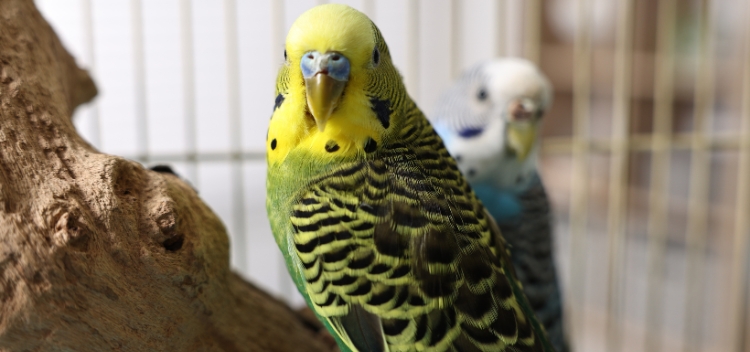
- Birds – parrots, finches, budgies, cockatiels, canaries, etc.
- Small mammals – like rabbits, guinea pigs, hamsters, chinchillas, or sugar gliders
- Amphibians – frogs, newts, axolotls
- Invertebrates – including tarantulas, stick insects, scorpions
Each species has its own rules for travel, and the country you’re moving to may have very specific import requirements or restrictions.
Is pet emigration possible for all exotic animals?
Not always. Some countries:
- Ban the import of certain exotic species outright
- Require special CITES permits (for endangered or protected species)
- Have quarantine requirements
- Insist on complex health certification or disease testing
We strongly recommend checking the import regulations of your destination country well in advance – and Travel Vet can help guide you through this.
What is CITES and do I need it?
CITES stands for the Convention on International Trade in Endangered Species. It’s a global agreement that protects species that are threatened or endangered.
You’ll need a CITES export and import permit if your pet is listed under CITES – this commonly applies to:
- Some tortoises and turtles
- Parrots and other exotic birds
- Certain lizards and snakes
You can check the species list on the UK Government website, or we can advise you during a consultation.
How does travel work for exotic pets?
By air:
Exotic pets usually travel in the hold of a plane, in carefully regulated, temperature-controlled conditions. Some species are more sensitive to stress and travel, so preparation is key.
You’ll need:
- An **appropriate travel crate** or carrier
- Species-specific paperwork (e.g. export health certificates, import permits, CITES)
- To use a pet travel agent experienced in exotic animal relocation
By road:
Pets can also travel by road accompanied by their owner to the EU and no need for a pet travel agent for this but we do recommend a pet travel agent for travel outside EU.
CITES species can only enter EU through certain ports eg Eurotunnel.
Re-entering the UK:
Check restrictions on re-entering UK with your exotic pet as there will be restrictions on the port/airport where you can enter for both CITES and Non-CITES species.
Health certificates will be required for all exotic pets re-entering the UK from EU and non-EU countries.
www.gov.uk/guidance/trading-cites-listed-specimens-through-uk-ports-and-airports
Bird imports:
Import checks for birds must be pre booked with APHA prior to arrival.
www.gov.uk/bringing-pet-animals-to-great-britain/travelling-from-eu-country
Can Travel Vet help?
Yes – we regularly assist with the export process for exotic pets and can:
- Confirm which paperwork is needed
- Issue Export Health Certificates if required
- Advise on microchipping or identification rules
- Liaise with DEFRA or CITES authorities as needed
We’re happy to work alongside specialist relocation companies to ensure your pet’s journey is legal, safe, and as low-stress as possible.
Planning to emigrate with your exotic pet?
Contact us and we can help you book the right appointment for your pet emigration needs.