Why Summer Swims Can Lead to Ear Infections
August 10, 2026


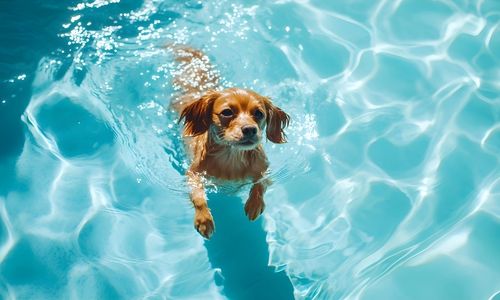
Summer swimming in Middlesex is one of life’s great joys for water-loving dogs – bounding into lakes, splashing through streams, and emerging absolutely sodden and thoroughly pleased with themselves.
But while the fun is undeniable, those post-swim ears are worth a closer look. Trapped moisture in the ear canal creates the perfect environment for bacteria and yeast to thrive, making ear infections one of the most common issues our Vet Emma Fisher at Travel Vet, sees in dogs during and after summer.
If your dog has been swimming regularly this summer, it’s worth booking a check-up sooner rather than later – book an appointment with our team today.
Why swimming increases the risk of ear infections
A dog’s ear canal is shaped differently to ours – it runs vertically before turning horizontal, which makes it naturally harder for water to drain out. When moisture becomes trapped, it creates a warm, humid environment that bacteria and yeast find very inviting. Our team in Staines-upon-Thames explain that floppy-eared breeds such as spaniels, Labradors, and golden retrievers are particularly prone, as their ear flaps reduce airflow further – but any dog who swims regularly may be affected.
Emma at Travel Vet highlights that the risk tends to increase with repeated exposure – so a dog who swims several times a week throughout summer may be more vulnerable by August than they were in June.
Signs of an ear infection to watch for
Ear infections in dogs can develop quickly, so knowing what to look for makes a real difference. Emma suggests keeping an eye out for the following:
- Frequent head shaking or tilting to one side
- Scratching at one or both ears
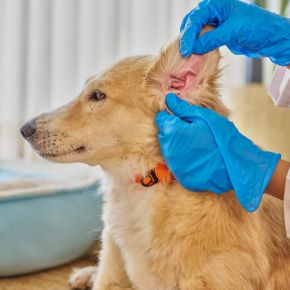
- Redness, swelling, or discharge inside the ear
- An unusual or unpleasant odour coming from the ear
- Sensitivity or discomfort when the ear is touched
- Changes in behaviour such as irritability or reduced appetite
If you notice any of these signs in your dog, it’s worth getting them seen sooner rather than later. Ear infections can worsen quickly if left untreated, and early intervention tends to mean a faster recovery. Get in touch with our team in Staines-upon-Thames as soon as you notice any of the above.
How to dry your dog’s ears after swimming
One of the simplest ways to reduce the risk is to dry your dog’s ears thoroughly after every swim. Travel Vet’s team suggest the following approach:
- Use a soft, absorbent cloth or cotton wool to gently dry the outer ear and just inside the ear opening – avoid pushing anything deep into the canal
- Allow your dog to shake naturally after swimming, as this helps shift some of the water
- Avoid using cotton buds, which can push debris further in and cause damage
- If your dog swims frequently, ask our team in Staines-upon-Thames about ear cleaning solutions that can help reduce moisture and maintain a healthy ear environment
When to seek treatment
Prevention goes a long way, but if an infection has already taken hold, home care won’t be enough. Our Vet Emma Fisher advises that if your dog is showing any of the signs above – especially if they’ve been swimming regularly – it’s always better to get them checked sooner rather than waiting to see if things improve on their own.
Ear infections in dogs are very treatable, particularly when caught early. Dog owners across Middlesex can book an appointment with Travel Vet to get their dog’s ears checked and get ahead of any issues before the season ends.