Separation Anxiety in Pets: Signs to Watch After Summer
September 7, 2026


After a summer filled with family time, holidays, and longer days together, it’s often natural for some pets to find the sudden quiet of back-to-normal, and back-to-school, routines unsettling.
If you’ve noticed changes in your pet’s behaviour, it could be a sign of pet separation anxiety. That’s why Emma Fisher from Travel Vet are here to help you understand what’s normal and when to seek support.
If you’re concerned, you can book an appointment with our team to discuss your pet’s behaviour.
Speak to our team for behaviour advice
Why do some pets struggle after summer?
During the summer months, many pets go through some form of routine change and upheaval. For some pets, that means more companionship, but for a temporary period. Whether it’s children at home on school holidays, adults at home through flexible working, or holidaying together, they may rarely spend time alone. When routines shift back, this sudden change can feel confusing or stressful.
Travel Vet’s Emma Fisher explains that even independent pets can feel unsettled. A change in routine can trigger anxiety-related behaviours, especially if it happens quickly.
Typical signs of separation anxiety in dogs and cats
Spotting early signs of dog separation anxiety or cat behaviour changes can make a big difference.
Look out for:
- Excessive barking, meowing, or howling when left alone
- Destructive behaviour such as chewing furniture or scratching doors
- Toileting accidents despite being house-trained
- Pacing, restlessness, or difficulty settling
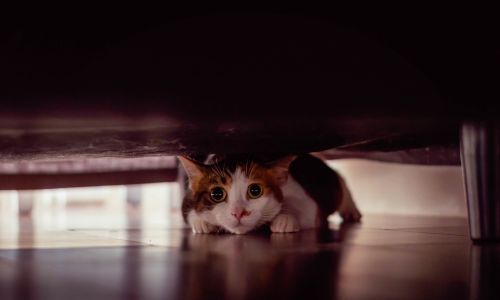
- Withdrawal or hiding, particularly in cats
- Over-grooming to the point of hair loss, mostly in cats
Emma adds that subtle signs, like changes in appetite or clinginess, can also indicate your pet is struggling.
How to support your pet
The good news is there are simple, effective ways to help your pet adjust:
- Gradually reintroduce alone time in short periods
- Create a calm, safe space with familiar bedding or toys. Emma recommends interactive toys to keep them stimulated
- Stick to a consistent daily routine for feeding and walks/playtime
- Ensure they get plenty of exercise/playtime, as they should feel calmer after exerting excess energy
- Avoid making arrivals and departures overly emotional
At Travel Vet, our vets and nurses are experienced in helping pets navigate these transitions. Travel Vet’s team are always happy to offer tailored advice based on your pet’s needs.
If you’ve noticed changes in your pet’s behaviour or would like support managing separation anxiety, book an appointment today